
Sell your house fast in Norfolk, Essex and the East of England
If you need to sell your house fast in Norfolk, Suffolk, Essex or elsewhere in the East of England, Resolute Estate Solutions can make a written offer to buy it ourselves. We consider terraces in Norwich and Ipswich, commuter homes in Hertfordshire, thatched cottages and isolated farmhouses alike. Offers are below open-market value, and we explain how we reached the figure before you commit to anything.

Norfolk and Suffolk homes, from Norwich terraces to coastal villages
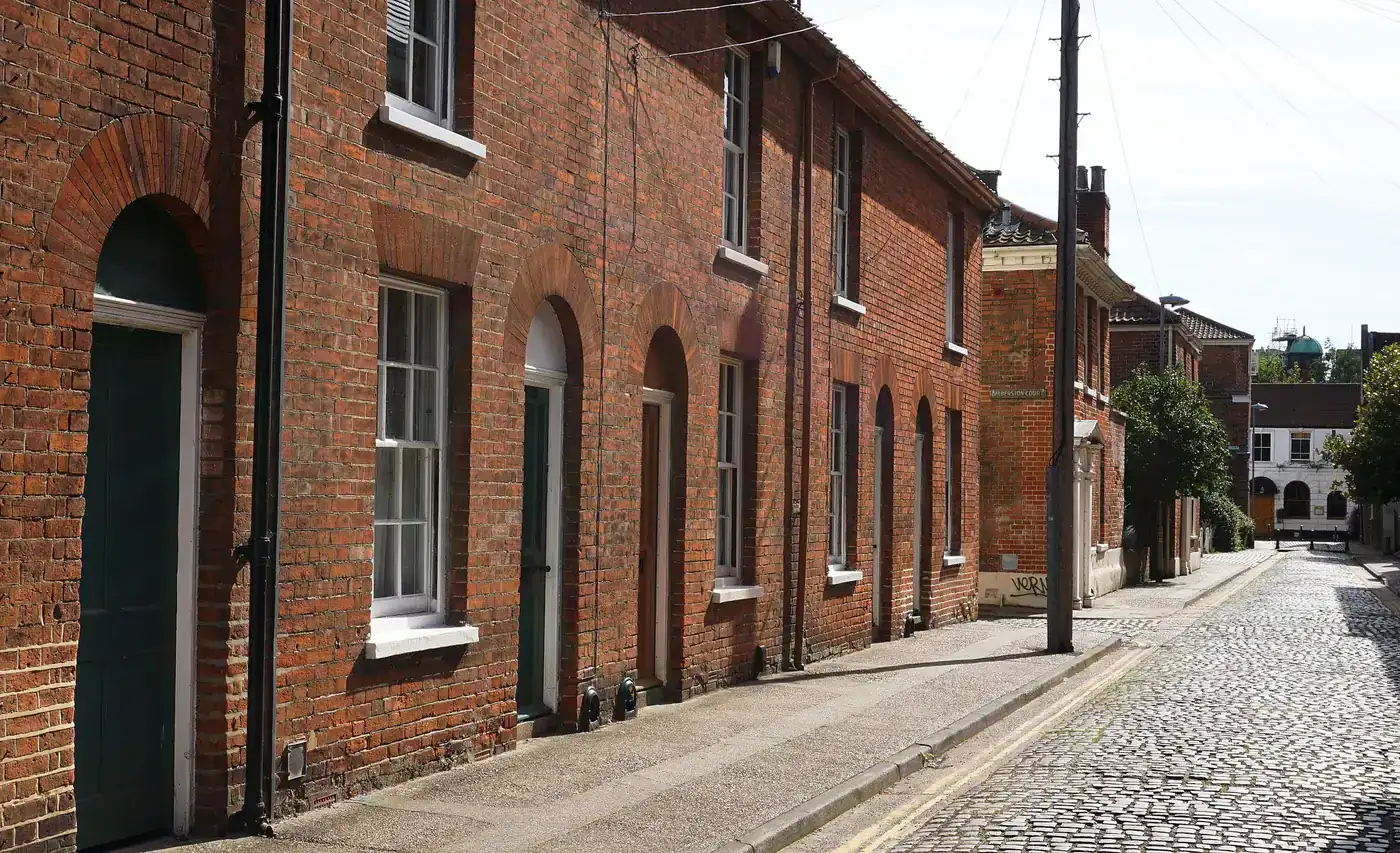
As East Anglia property buyers, we consider a wide mix of homes across Norfolk and Suffolk. In Norwich, streets of Victorian and Edwardian terraces run out from the city centre along roads such as Earlham Road and Unthank Road. Great Yarmouth, Lowestoft and King's Lynn have older terraces and flats close to the harbours and town centres. Ipswich, Bury St Edmunds and Thetford have a mix of period houses, post-war estates and newer developments.
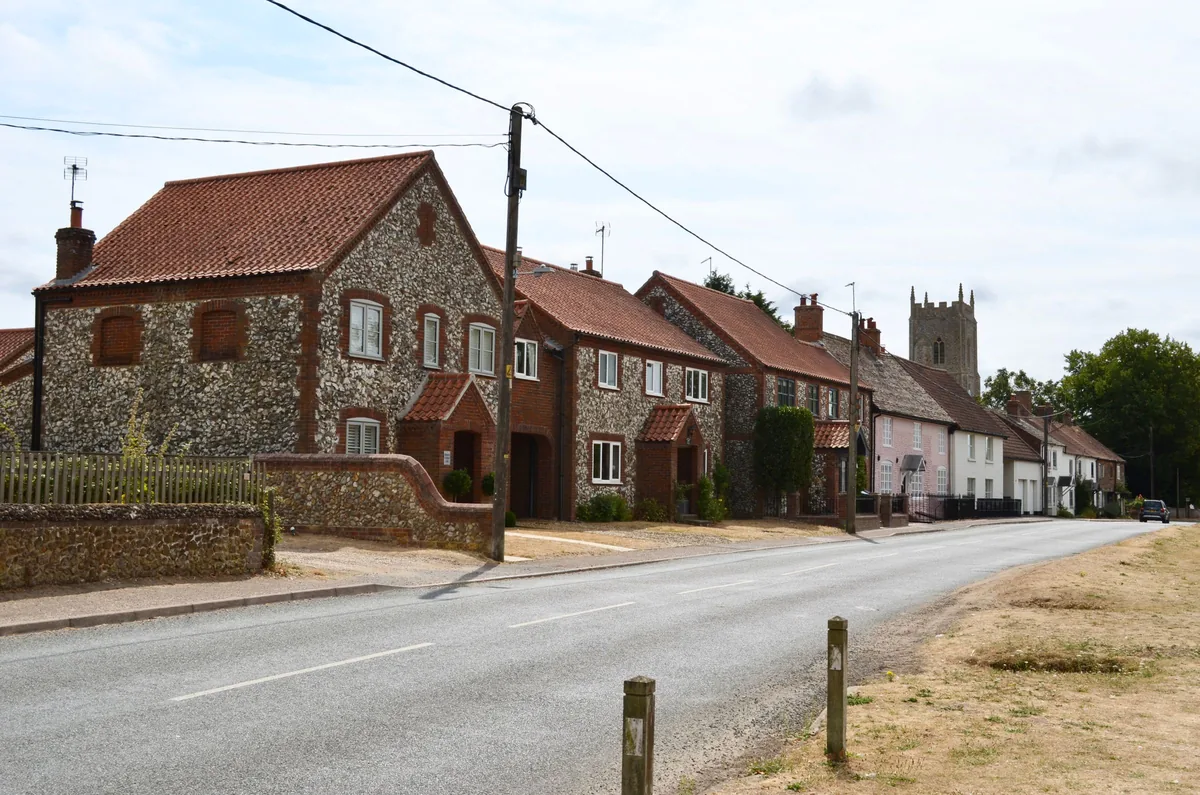
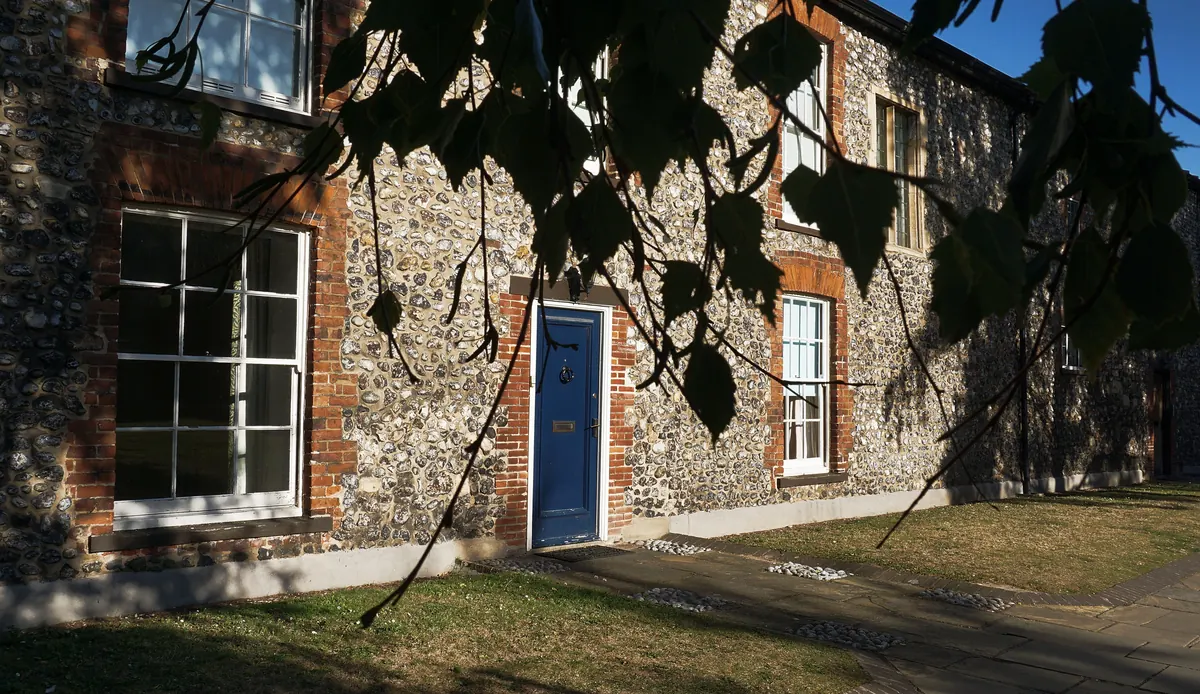
Out in the countryside, the picture changes. Flint and brick cottages, former farm workers' houses, converted barns and bungalows on large plots are common, and many are some distance from the nearest town. Many of these homes have not been modernised in many years, which can make them harder to sell to buyers who need a mortgage.
We look past a dated kitchen or an old heating system. We consider homes in any condition, whether they are lived in or empty. If you live in the property, it will need to be empty by completion, because we do not let sellers stay on as tenants.
Thatch, timber frames and listed cottages in East Anglia
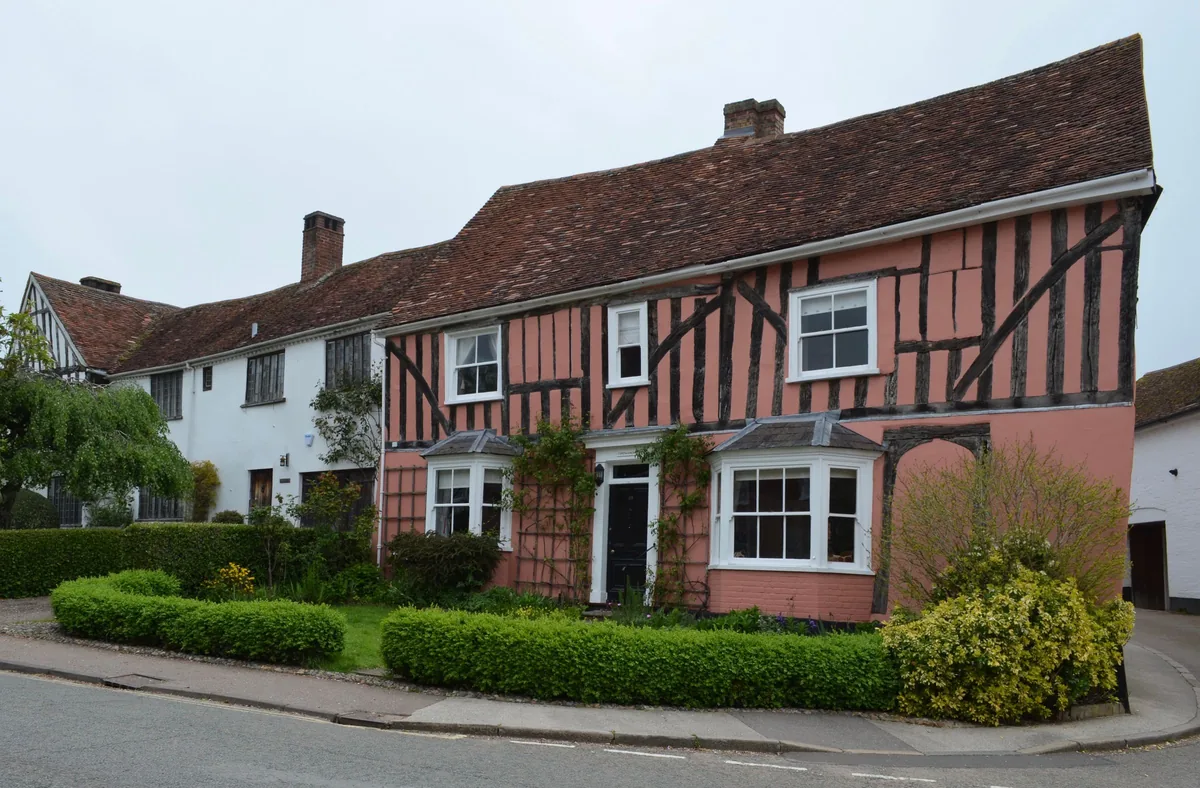
East Anglia has many thatched and timber-framed homes, and they bring questions that an ordinary suburban house does not. When we view one, we usually look at:
- The thatch itself. How much life is left in the ridge and the coat, and when it was last done. Rethatching is a specialist job, and the cost can be significant.
- Insurance. Thatched homes need specialist buildings cover, and some insurers attach conditions about chimneys and wood burners.
- Timber frames and lime plaster. Old frames move, and modern cement renders or paints can trap damp. Putting that right with traditional materials takes time and money.
- Listed status. Many older cottages are listed, which usually means listed building consent is needed for alterations, and the work has to suit the building.
- Weatherboarding and outbuildings. Common in Essex and south Suffolk, and often in need of repair.
Because some lenders are cautious about unusual construction, these homes can attract fewer buyers on the open market. Our page about selling a derelict or unmortgageable house explains our approach to homes in poor repair or of non-standard construction.
Essex, Hertfordshire, Bedfordshire and Cambridgeshire
If you want to sell a house fast in Essex, you are not far from us: our registered office in Gravesend is just across the Thames. Across the south of the county, Southend, Basildon, Chelmsford, Colchester and Harlow have large numbers of 1930s semis, post-war homes built for the new towns, and flats above shops. Along the coast, Clacton, Frinton, Jaywick and Walton-on-the-Naze have bungalows, chalets and holiday homes that sometimes raise questions about construction and flood risk.
Hertfordshire and Bedfordshire are commuter country. Stevenage, Hatfield and Welwyn Garden City grew as planned towns, while Luton and Bedford have long terraced streets. Prices are often strong, and an estate agent may well achieve more for you; a direct sale tends to suit homes needing major work, estates being wound up or sellers whose earlier buyer withdrew. Our page for sellers whose sale fell through goes through the options.
In Cambridgeshire, we consider homes from Cambridge city terraces to Peterborough's estates and the villages of the Fens. Fenland soils can shrink and settle, so surveys there sometimes note movement or distortion. We look for it on the viewing and explain in writing if it affects our offer.
If your home is nearer the Thames, see our page about selling in Kent and the South East, or our guide to selling a London home to us.
Empty and inherited houses across the East of England
Many rural properties in Norfolk and Suffolk stand empty for a time: a relative's cottage, a bungalow left after a death or a house that has been waiting for a renovation that never happened. Empty homes cost money to keep and are harder to watch when you live some distance away.
In England, councils can charge a long-term empty premium once a home has been unoccupied and substantially unfurnished for at least a year, and the bill can rise to as much as four times the normal amount after 10 years. It is optional, and each council, such as Norwich, Breckland or Tendring, sets its own policy, so ask yours. A short stay does not reset the clock, because the home has to be occupied or substantially furnished for at least six weeks before the empty period starts again. For the detail, read GOV.UK's guidance on council tax for empty properties. Our page on council tax on empty homes explains the exceptions, including the one that applies after probate is granted. Normal council tax is still payable while an exception applies.
Executors may find our page on selling a probate property with us helpful, and beneficiaries who now own a house can read about selling a house you have inherited. For practical steps while a house stands empty, see our checklist for an empty house.
How we price an East Anglian home and what you pay
Our offers are below open-market value. That is the honest starting point. In exchange, you get a buyer who does not rely on a mortgage, you pay no fees, and we pay your legal fees.
We work out the figure from comparable sales of similar homes nearby. These can be sparse in rural villages, so we may look further afield.
You get a written offer, with the reasoning and terms. If our offer depends on any further survey, we tell you before you accept. We only change an offer later if something new and material is found, and we explain it in writing with the evidence. See how our offers are calculated, and when you are ready, ask us for a written offer.
Selling in Norfolk, Suffolk or Essex with us, step by step
Distance is not a problem, even if you want to sell your house fast in Norfolk while living elsewhere. The process is the same for a Norwich terrace or a remote farmhouse.
Send the details
Use the form or call 0203 746 5656. Tell us about access if the property is rural or down a private track.
A conversation
We talk through the condition, who lives there now and your timing. You do not need any documents yet.
The viewing
We arrange a visit or a video walkthrough. If you live far away, a relative, neighbour or your solicitor can let us in.
Your written offer
It sets out our workings and terms. You can decline at no cost.
Solicitors and checks
You use your own independent solicitor, or we can recommend one to you, and we pay the legal fees. We check identity and title, as described on our page on why we check identity and ownership.
Exchange and completion
Once contracts are exchanged, completion follows. The home must be empty by then, and the money goes to your solicitor.
More detail is in our step-by-step selling process.
Questions from sellers in the East of England
Do you buy thatched cottages?
We consider them. The state of the thatch, the insurance position and any listing all affect the price, and our written offer explains how.
Will you buy a rural house with no mains drainage?
We will consider it. Septic tanks and older private drainage systems are common in rural Norfolk and Suffolk. We look at the system's condition on the viewing.
I live in London. Can you view my late mother's house in Suffolk without me there?
Yes. A relative, neighbour or your solicitor can let us in, and we will talk to you by phone before and after the visit.
Are you East Anglia property buyers based locally?
No. Our registered office is in Gravesend, Kent. We travel to view homes across the region and handle the legal side through solicitors, so there is no need for you to visit us.
Do you charge anything if I say no?
No. The offer is free, and there is no obligation. If you decline, you owe us nothing.
Who owns the property after I sell it to you?
We do. We are the buyer, not an agent. You can read more about the company.
My house is near the coast in Norfolk or Suffolk. Will you still consider it?
Yes. Some stretches of the East Anglian coast are affected by erosion and flood risk, and a buyer's solicitor will look at both in their searches. Those findings affect how many buyers can get a mortgage and what we can offer, and we explain the effect in writing. We would never ask you to play them down; sellers should not hide known defects.
Page last reviewed on by the Resolute Estate Solutions team.