
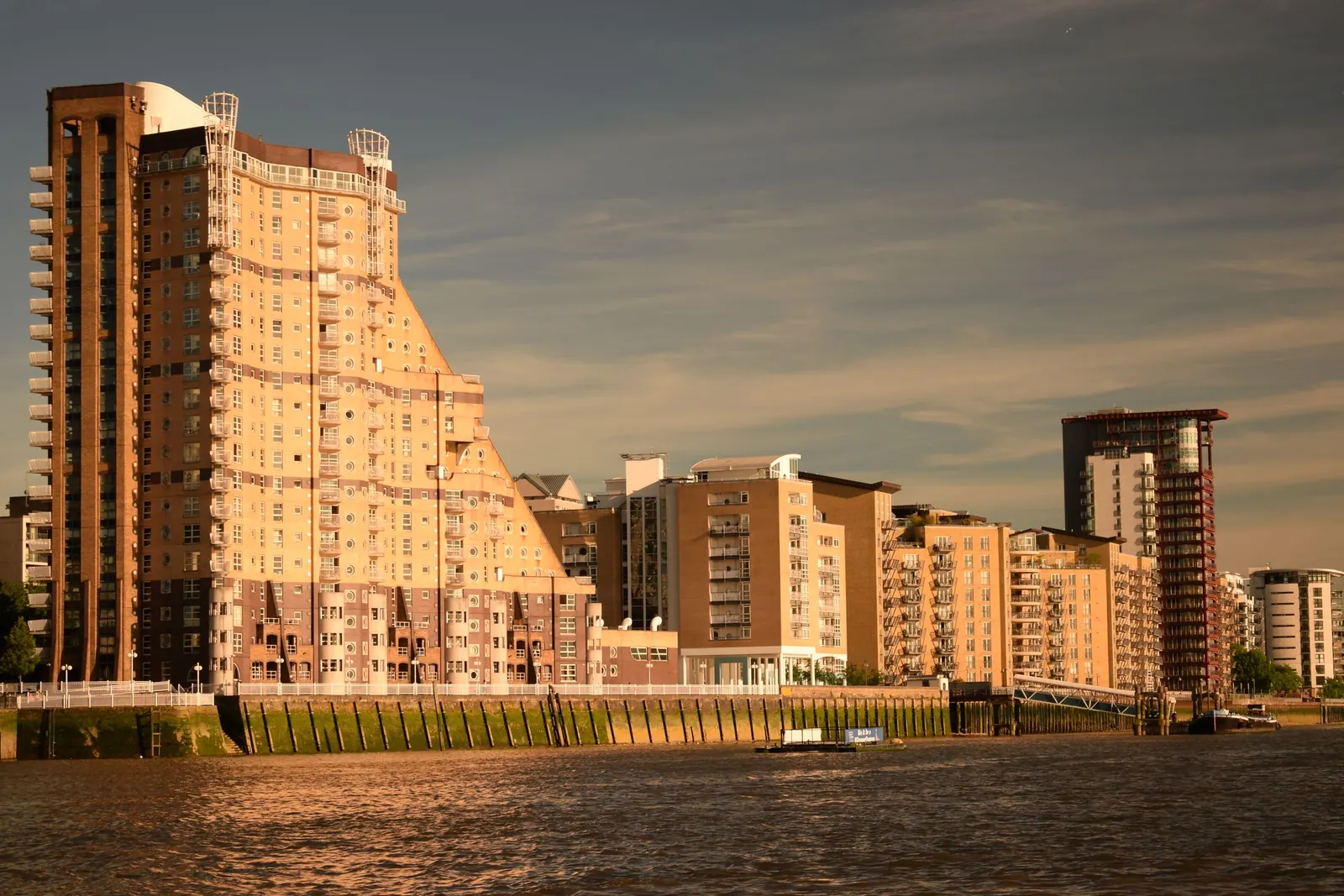
Sell a leasehold flat, even with a short lease or cladding queries
If you want to sell a leasehold flat and buyers keep stalling over the lease length, the service charge or the building’s walls, you are not the only one. We buy flats across England, including short lease property, with a written offer and no fees. Our offers are below open-market value, and this page explains why.

Why some leasehold flats are hard to sell
When you own a leasehold flat, you own the right to live in it for the number of years left on the lease, while the freeholder or a management company looks after the building. A buyer is not just buying rooms. They are buying the lease, the building and every obligation that comes with them. That is why flats can stall where houses would not.
The usual sticking points are:
- A short lease. Once fewer than about 80 years remain, lenders become cautious and extending costs more.
- Ground rent that rises sharply. Some leases double the ground rent every few years, which buyers and their lenders look at closely.
- High or unpredictable service charges. Especially where large works to the roof, lifts or windows are planned.
- Cladding and external wall questions. Buyers’ lenders may ask for an EWS1 form before valuing a flat in some buildings.
- Slow or incomplete management information. The pack from the freeholder or managing agent can take time to arrive.
- Restrictions in the lease on letting, pets or alterations, which narrow the pool of buyers.
The lease rules on this page apply to England, which is where we buy.
Short lease property and why the 80-year mark matters
A lease counts down every day. As it shortens, two things happen that make it harder to sell a short lease flat on the open market.
Lenders step back. The government’s own guide to buying or owning a leasehold home says that typically “mortgage lenders are less likely to provide mortgages” where the lease has less than 80 years remaining. Fewer mortgage buyers means fewer buyers overall.
Extending costs more. Under current law, a qualifying flat leaseholder can extend the lease by 90 years. GOV.UK says the cost “increases significantly” when 80 years or less remain. Its page on extending, changing or ending a lease explains the basics.
So a flat with 85 years left is in a very different position from one with 75, and one with 60 years left is different again. The exact figure is on the lease and on the title register held by HM Land Registry; your solicitor can confirm it.
What about the leasehold reforms?
The Leasehold and Freehold Reform Act 2024 is intended to make extending cheaper and easier, including 990-year extensions at zero ground rent and the removal of marriage value. As of the latest GOV.UK update, those main changes are not yet in force. We would not plan a sale around reforms that have not started, and we price flats under the law as it stands today.
Ground rent, service charges and the management pack
When a leasehold flat is sold in England, the seller fills in the TA7 leasehold information form alongside the usual TA6 property form. The seller’s solicitor also asks the freeholder or managing agent for a pack of information about the building: service charge accounts and budgets, planned major works, insurance, ground rent, and any consents needed for the sale.
This pack often decides how smoothly a flat sale goes. A few things we look at closely:
- How the ground rent changes over time. A fixed modest ground rent is rarely an issue. One that doubles on a short cycle can put lenders off.
- Planned major works. A new roof or replacement windows can mean a large contribution from each leaseholder. If works are planned, we price them in rather than discover them late.
- The reserve fund. A healthy reserve (or sinking) fund can soften the cost of future works.
- Buildings insurance. What it covers and how much it costs each flat.
Management packs can take time to arrive and carry a fee from the managing agent. We will confirm in our written Terms of Business how the cost of the pack is handled, so you know before you accept. If you do not yet have any of this information, that is fine; it is normal for the solicitors to gather it after an offer is agreed.
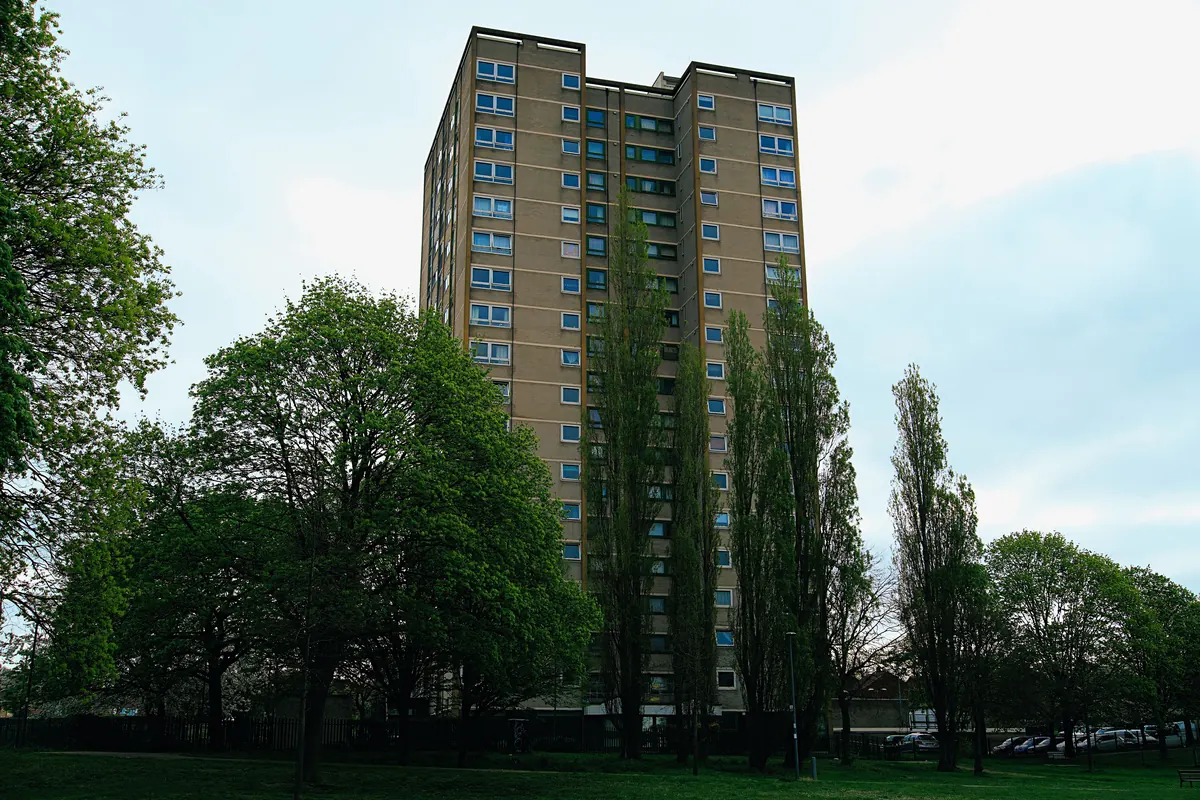
Selling a flat with cladding issues or an EWS1 request
Owners of a flat with cladding issues often find that buyers are willing but their lenders are not. The document at the centre of this is the EWS1 form, the external wall fire review.
According to GOV.UK, the EWS1 form was developed by RICS, UK Finance and the Building Societies Association to support mortgage valuations of buildings with cladding. It is “not a government or regulatory requirement, nor is it a building or life safety assessment”. In practice, though, a buyer’s lender may ask for one, and if the building does not have one, the sale can stall. The GOV.UK page on EWS1 and mortgage valuations gives the background.
If your building has cladding or external wall questions, tell us what you know: whether an EWS1 exists, what it says, whether any remediation has been planned or carried out, and what the freeholder or managing agent has told leaseholders. We consider these flats, and we price the uncertainty and any likely costs into the offer. We will not pretend the issue does not exist, and we will not reduce the offer later for something you told us about at the start.

Extend the lease first, or sell the flat as it is?
If your lease is short, you have a real choice to make. Neither answer is right for everyone.
| Extend, then sell on the open market | Sell as it is on the open market | Sell as it is to us | |
|---|---|---|---|
| Likely price | Usually the most, once the lease is extended | Reduced to reflect the short lease; fewer mortgage buyers | Below open-market value, reflecting the lease and our costs |
| Your costs | The premium to the freeholder plus legal and valuation fees | Agent and legal fees | No fees; we pay your legal fees |
| Time and effort | The extension process comes first, then the sale | Viewings and a buyer who may need specialist lending | A viewing and a written offer |
Where extending is not practical for you, or the flat has other issues too, selling as it is may be simpler. A solicitor who handles lease extensions can give you a proper view of the costs for your own lease.
Our guide weighing up agents, auctions and direct buyers compares the selling routes more generally.
Converted flats, maisonettes and ex-local-authority blocks
Not everyone who wants to sell a leasehold flat owns one in a modern block. Many flats are in Victorian and Edwardian houses split into two or more flats, especially in cities like London; our page on selling a home in London covers conversions there. Others are maisonettes with their own front door, or flats in former council blocks where the council is still the freeholder.
Each comes with its own quirks. Conversions sometimes have informal arrangements between the flat owners for insurance and repairs, or a shared freehold. Ex-local-authority flats may have service charges that include large estate-wide works. Some older conversions have leases with unusual clauses or missing plans. None of this stops us buying, but it all goes into the price, and it helps if you can tell us what you know.
If your flat is let, please note that we buy rental properties with vacant possession, so the tenancy must have ended and the flat be empty by completion. Our page for landlords who want to sell has more. If the flat is empty, our page on how to sell an empty house covers the running costs, many of which apply to flats too.
Documents to find before you sell a leasehold flat
Whoever you sell to, a leasehold sale runs more smoothly when the paperwork is to hand. You do not need all of this before contacting us, but the more you can find, the more accurate our first figure will be.
- The lease itself, including any deed of variation or earlier extension. Your solicitor can obtain an official copy from HM Land Registry if you cannot find yours.
- Recent service charge demands and statements, ideally for the last two or three years, plus any letters about planned works.
- Ground rent demands, so the current amount and any review dates are clear.
- Buildings insurance details from the freeholder or managing agent.
- Anything about the external walls, such as an EWS1 form, a fire risk assessment summary or letters about remediation.
- Consents for alterations you have made, such as a new bathroom layout or removed walls.
- A valid EPC. In England, a seller must give the buyer a valid energy performance certificate, including on a private sale.
If you have tried to sell a leasehold flat before and the sale stalled, keep whatever the last buyer’s solicitor asked for and any replies you received. It often shows exactly where the sticking points are, and our page on what to do when a house sale falls through covers the wider choices. Missing documents are common, especially with older conversions, and they rarely stop a sale; they just need a little more time from the solicitors.
How we work out an offer on a leasehold flat
Our offers are below open-market value. For a flat, we start from comparable sales of similar flats nearby, ideally with similar lease lengths, then adjust for:
- the cost of extending the lease, where we would plan to do so;
- any planned major works or cladding costs that are likely to fall on the flat;
- the ground rent terms and the level of service charge;
- the condition of the flat itself;
- our own costs and margin.
For a short lease or a building with unresolved problems, the offer will be lower than for a flat with a healthy lease and no building issues, and we will explain why. The written offer comes with our Terms of Business, there are no fees, and we pay your legal fees.
If the management pack later reveals something new and material that neither of us knew about, such as a large bill for works that had not been announced, we explain any change in writing and show you the evidence. The full method is on our page about how we calculate an offer, and our page on each stage of selling your home to us sets out the timeline. We check the identity of every seller, which our page about how we check identity before buying explains.
If the flat belonged to someone who has died, see our page on selling a probate property. When you are ready, ask for a written offer on your flat or call 0203 746 5656.
Questions about selling a flat with lease problems
Will you buy a flat with less than 80 years on the lease?
Yes, we consider flats with short leases, including those well under 80 years. The cost of extending the lease is one of the things we price into the offer.
Should I extend my lease before selling?
If paying the premium and waiting for the extension both suit you, extending first will usually get you a higher price on the open market. Take advice from a solicitor who handles lease extensions. If extending is not practical, selling as it is may be simpler.
Will the leasehold reforms make my flat worth more?
The Leasehold and Freehold Reform Act 2024 is intended to make extensions cheaper, but the main changes are not yet in force. We price flats under the law as it stands today.
Can you buy a flat in a building without an EWS1 form?
We consider these flats. Tell us what you know about the external walls and any works planned, and we will price the uncertainty into the offer rather than change it later.
Who pays for the management pack?
The managing agent usually charges a fee for the pack. We confirm how that cost is handled in our written Terms of Business before you accept, so there are no surprises.
Is your offer the same as the flat’s market value?
No. Our offers are below open-market value, and less where the lease is short or the building has problems. You can say no at no cost.
Page last reviewed on by the Resolute Estate Solutions team.