Everyone sees the same offer
We send the written offer, our Terms of Business and the explanation of the figure to every executor or owner who needs to sign, so no one is relying on a second-hand account.

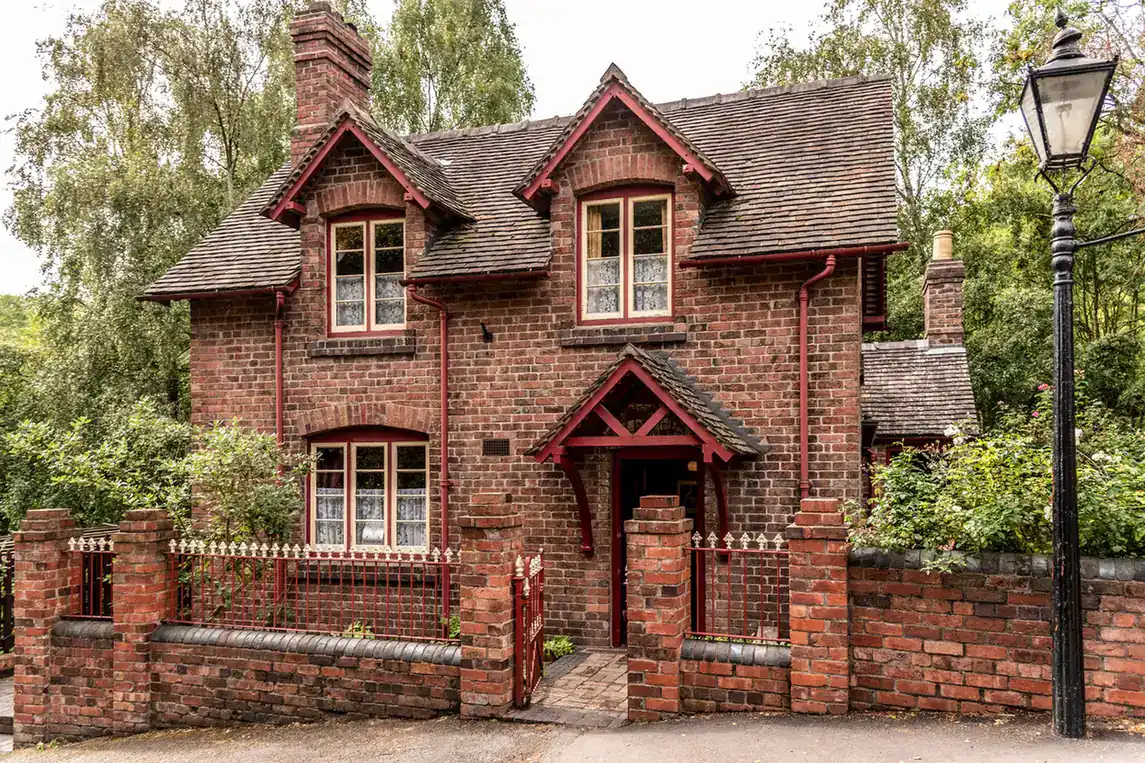
If you need to sell an inherited house, perhaps shared with brothers, sisters or other relatives, we can buy it directly. You will not need to let it, renovate it or wait for a chain. Our written offer is below open-market value, there are no fees, and we pay your legal fees, so everyone involved can see exactly what the estate or the family will receive.

Inheriting a home is rarely simple. It usually arrives at a sad time, it can come with a lifetime of belongings inside, and it often belongs to several people at once. Some beneficiaries want to keep it. Many do not: they live elsewhere, they have homes of their own, or they cannot face becoming a landlord or project-managing builders from a distance.
You do not have to decide straight away what to do with a house left to you in a will. It is perfectly reasonable to take a few months, talk it over as a family and look at every option. When you are ready, Resolute Estate Solutions Ltd is one of those options. We are a direct buyer: we buy homes ourselves, and we never pass details on to anyone else.
We will always be straightforward about price. Our offers are below open-market value, because we carry the cost of reselling the property ourselves and take on the risk. In return, the family gets a written offer, no fees, legal fees paid and one buyer to deal with. If the open market suits you better, that is a perfectly good decision, and our comparison of estate agents, auctions and direct buyers sets out the differences fairly.
The first thing to establish is who is legally able to sell. That depends on where the estate has got to, and it changes how the sale is signed.
While the estate is being administered, the property is dealt with by the personal representatives: the executors named in the will, or the administrators if there was no will. Once they hold the grant of probate or letters of administration, they can sell the house without first registering themselves as owners, and the beneficiaries then receive their share of the proceeds under the will. If that is where things stand, our page on selling a probate property to us explains the process from the executors' side.
Sometimes the personal representatives transfer the property to the beneficiaries instead of selling it, usually with a form called an AS1. Once the transfer is registered, the beneficiaries are the owners, and together they sign the sale as they would for any other house. HM Land Registry's practice guide on the death of a registered owner describes both routes.
A home owned as joint tenants passes automatically to the surviving owner and does not go through probate at all. The survivor registers the death with HM Land Registry and can then sell in their own name.
If you are not sure which of these applies, a solicitor can check the title register in a few minutes. We check it too, with fresh official copies, before any offer becomes a contract.
Beneficiaries selling a house together often find that agreeing the decision is harder than the sale itself. We cannot settle family differences, but we can make sure nobody feels left out of the process.
We send the written offer, our Terms of Business and the explanation of the figure to every executor or owner who needs to sign, so no one is relying on a second-hand account.
On completion the money goes to the estate's or the owners' solicitor, who pays each person their share. We never pay money to an individual, and we never become involved in how it is split.
There is no deadline on our offers. If one of you wants to get an estate agent's opinion first, or another wants to think about buying the others out, that is entirely your choice.
Where one relative lives far away or abroad, the sale can usually be signed without anyone travelling. Each person's solicitor will explain how identity checks and signatures work in their case.
Beneficiaries are often told they should do the house up before selling, or let it out and keep it as an investment. Both can work, but both are real commitments.
Letting makes you a landlord, with safety certificates, deposit protection, repairs and tenancy law that has changed a great deal in England from 1 May 2026. If you already let property, you will know the work involved; if you do not, it is worth reading about it before deciding. Our page on selling a rental property to us gives a flavour of what landlords deal with. If the inherited house is already let, please note that we buy rental properties with vacant possession, so the tenancy must have ended and the property be empty by completion; your solicitor and GOV.UK can explain what that involves.
Renovating can add value, but it takes money up front, time and someone on hand to manage the trades. An older house that has been left as it was often needs a new kitchen, bathroom, wiring or heating before it will appeal on the open market. Structural problems, damp or an unusual construction type can put off buyers who need a mortgage. There is more on this in our page about homes that need major work.
Selling to us means none of that. We buy as seen, and our written offer is below open-market value. You can read how we work out our offers before you decide whether that trade-off makes sense for you.

Here is how the main choices usually compare. Every house and family is different, so treat this as a starting point for your own conversation rather than a recommendation.
| Option | Likely price | What it asks of you | Certainty |
|---|---|---|---|
| Keep it and live there | Not applicable | Moving, and possibly buying out other beneficiaries | High, if everyone agrees |
| Let it out | Rental income instead of a sale | Landlord duties, repairs and managing tenants | Depends on the rental market |
| Renovate, then sell | Potentially the most, less the cost of works | Money up front and months of project management | Lower: costs and timings can change |
| Sell through an estate agent | Usually more than a direct buyer pays | Viewings, agent's fees, a buyer's chain and mortgage | Medium: sales can fall through |
| Sell to Resolute Estate Solutions | Below open-market value | One viewing and your own solicitor, whose fees we pay | High once contracts are exchanged |
If the house is sitting empty while the family decides, our checklist for looking after an empty house may help with insurance and security in the meantime.
We are a property buyer, not a tax adviser, so we will not tell you what tax is due on an inherited home. Tax can be relevant when an inherited property is sold, and the answer depends on the estate and on each beneficiary's position. Please take advice from an accountant or a solicitor before you sell. GOV.UK's page on managing and selling the assets of an estate is a sensible place to start reading.
A few non-tax points are worth knowing:

The sale follows the same pattern as any other purchase we make. Nothing is rushed, and you can stop at any point before exchange at no cost.
Call 0203 746 5656 or send us the property details. We ask who owns it now and who will sign, so that we speak to the right people.
We visit at a time that suits you. We look at condition, layout and anything that affects the price.
Every signatory receives a written offer with the Terms of Business and an explanation of how the figure was reached.
You use your own independent solicitor, and we pay the legal fees. The solicitors check the title, the identity of each seller and the paperwork.
Contracts are exchanged. Then, on the agreed day, the money goes to your solicitor, and the keys come to us. The house must be empty of occupants by completion.
For more detail on what happens between the offer and the keys, see each stage of selling to us.
We buy across England, and we use solicitors who practise in England. The beneficiaries always have their own solicitor. If you want to know more about the company first, you can read about who we are and how we trade.
Often, yes. The personal representatives can sell it on behalf of the estate once they hold the grant, without the house first being transferred to the beneficiaries. The proceeds are then shared out under the will. Your solicitor will confirm the right route.
We only buy when everyone who needs to sign has agreed. We are happy to answer questions from each person, but we never take sides or put pressure on anyone. Family disagreements about an estate are something to raise with a solicitor.
Yes. Our offers are below open-market value because we pay for the resale and the risk. There are no fees, and we pay your legal fees, so the figure in our written offer is the figure your solicitor receives on completion.
Take whatever you want to keep, in your own time. If you would rather leave the remaining contents, tell us at the start so it can be agreed in writing before you accept.
Not for us. Many inherited homes have original kitchens, old wiring or damp, and some have problems that make mortgage lenders cautious. We look at the condition when we view and buy the house as seen. We will explain which items made the biggest difference to the figure, so you can compare it fairly with what an estate agent tells you.
Yes. We can arrange the viewing with a neighbour, a key holder or the solicitor, and the paperwork can usually be signed without anyone travelling. Your solicitor will explain how identity checks work from abroad.
Never. We are the buyer, and the information you give us is used only to consider our own purchase. Our privacy policy explains how we look after it.
Page last reviewed on by the Resolute Estate Solutions team.
Would you like to know what we could offer for the house you have inherited?
Tell us about the property and we will come back to you with a written offer. There are no fees and no obligation.