

Selling a house in probate: a calm guide for executors
Selling a house in probate is often the largest single task an executor takes on, and it can come at the hardest of times. This guide walks through the probate process for a property in England: who can sell, when a sale can be agreed and signed, how to look after the house meanwhile, and the choices you have for selling it.

Before you start: does the house need probate at all?
Not every home goes through probate. The first job is to find out how the person who died owned the house, because that decides who can sell it and what paperwork is needed.
- Owned as joint tenants. The house passes automatically to the surviving owner. Probate is not needed for it. The survivor registers the death with HM Land Registry using form DJP and can then deal with the property in their own name.
- Owned in their sole name, or as tenants in common. The house, or the deceased's share of it, forms part of the estate. Someone will need a grant before it can be sold.
The title register at HM Land Registry shows how the property was held. A solicitor can check it, or you can obtain official copies yourself. If the house is unregistered, the deeds will be among the deceased's papers or held by a solicitor or bank.
GOV.UK describes probate as "the legal right to deal with someone's property, money and possessions (their 'estate') when they die". Its applying for probate pages are the best starting point in England.
The probate process for a house in England
Every estate is different, and some steps overlap. This is the usual order when the estate includes a house.
Secure and insure the house
Check the doors and windows, take meter readings, tell the insurer the owner has died and the property is empty, and redirect the post.
Find the will and establish who can apply
Executors named in the will apply for a grant of probate. If there is no will, the closest entitled relative applies for letters of administration: a spouse or civil partner first, then adult children, then other relatives. Unmarried partners cannot apply.
Value the estate, including the house
You will need a figure for the property as part of valuing the estate. It is worth getting a professional opinion, because the figure may matter later.
Apply for the grant
Once the grant of probate or letters of administration is issued, the personal representatives have authority to sell or transfer the house.
Decide how to sell, or whether to transfer
Open market, auction, a direct buyer or a transfer to a beneficiary, usually with form AS1. Talk it through with the other personal representatives and the beneficiaries.
Conveyancing
The personal representatives' solicitor prepares the contract and the property information forms. All the personal representatives who hold the grant join in the sale.
Exchange and completion
At exchange, both sides sign contracts and become legally bound. At completion, the money is transferred and ownership passes.
After the sale
The register is updated with HM Land Registry, the proceeds go into the estate account, and the estate is distributed under the will or the intestacy rules.
On a sale, the transfer to the buyer is usually made on form TR1. Where the house passes to a beneficiary instead, form AS1 is normally used. Either way, the personal representatives sign on behalf of the estate, and they do not need to register themselves as owners first: HM Land Registry accepts a copy of the grant, or a conveyancer’s certificate, when the change is registered.
Executor responsibilities for the house while probate is under way
An executor's responsibilities include looking after the estate's assets until they are sold or passed on. For a house, that is mostly practical.
Insurance. Most household policies restrict cover once a home has been unoccupied for a set period, often with conditions about regular inspections or draining the water system. Tell the insurer as early as you reasonably can and ask what they need.
Security and fraud. GOV.UK says a property is more at risk of fraud if it is empty or not mortgaged. HM Land Registry's Property Alert service is free, covers up to 10 properties and emails you about activity on the register. It does not block changes, but it gives you early warning.
Council tax. In England, if the property stays empty, no council tax is payable until probate is granted. After the grant, an exemption of up to 6 months can apply while the house stays empty and in the deceased person's name. The long-term empty premium cannot be charged for up to 12 months from the grant, although normal council tax may then apply. Our page on council tax on empty homes explains more.
Keeping records. Beneficiaries are entitled to understand how the estate has been handled, so keep receipts for bills paid and notes of decisions about the house. Our checklist for looking after an empty house has more practical detail.
When you are ready to talk about the property, you can ask for a written offer. There is no obligation, and your own solicitor stays in charge of the legal side.

Valuing a house for the estate
When you apply for the grant, you need to know what the estate is worth, and the house is usually the largest part of it. It is sensible to get a professional opinion of the open-market value at the date of death, from a chartered surveyor or from local estate agents who know the area. Keep a copy of whatever you are given.
That figure can matter later. If the house is eventually sold for noticeably more or less than the probate value, the difference may have tax consequences. GOV.UK notes that Capital Gains Tax may be due if estate property has risen in value since the death; its page on managing and selling estate assets explains the reporting rules. Gains on residential property usually have to be reported within 60 days, so it helps to raise the question with the estate’s adviser before the sale completes. We are not tax advisers, so please take advice from an accountant or solicitor on the estate's position.
It is worth being clear about the difference between a valuation and an offer. A valuation tells you what the house might fetch on the open market. An offer from a direct buyer, such as Resolute Estate Solutions, is what that buyer will actually pay, and it will be below open-market value because the buyer takes on resale costs and risk. Both are useful, but they answer different questions. You can see how we work out our offers if you want to compare the two.
What executors can do while the grant of probate is awaited
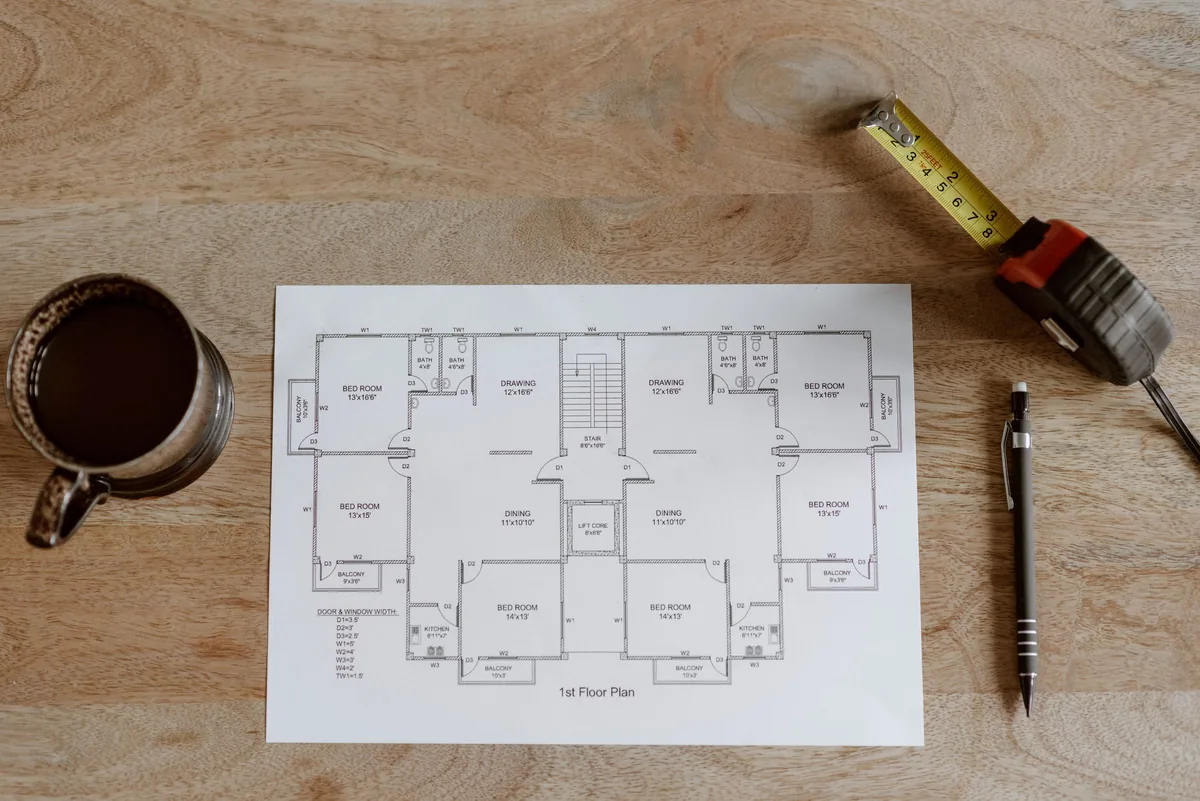
Executors may reasonably ask whether they can sell while they wait for the grant. The honest answer has two parts.
First, nothing can be legally completed without the grant. Until it is issued, nobody has authority to transfer the property. GOV.UK advises: "You should not make any financial plans or put property on the market until you've got probate."
Second, some families find it helpful to start conversations earlier, so that they understand the options when the grant arrives: talking to estate agents, auction houses or buyers about how a sale would work, and gathering the paperwork. Nothing can be signed, and no contracts can be exchanged, until the grant has been issued. Your solicitor will tell you what is sensible for the estate.
While you wait, it can help to gather the documents a buyer’s solicitor is likely to ask for: the deeds or official copies of the title register, any warranties and building control certificates, and the council tax and utility details for the house. Having them in one place makes the conveyancing smoother once the grant arrives.
All the personal representatives need to agree. Under the Administration of Estates Act 1925, a contract to sell land needs the agreement of all the personal representatives, or a court order. Where probate is granted to only some of the named executors, the executors who proved the will can act without the others.
Clearing a loved one's home before a sale
Clearing the house is where many executors find the process hardest. It helps to do it in stages and to involve the beneficiaries before anything of value leaves the house.
- Search for paperwork first: the will, deeds, bank and pension letters, warranties and any correspondence about the house.
- Make a list of anything valuable and agree with the beneficiaries how it will be dealt with.
- Let family members choose keepsakes before any clearance.
- Then decide on the rest: charity collection, sale or a clearance firm.
Look out for an Energy Performance Certificate among the papers. In England, a seller must give the buyer a valid EPC, even on a private sale to a company buyer, and one from the last 10 years can be reused.
Some buyers, including us, will discuss taking a house with contents left in it. If that appeals, raise it early so it is written into the offer rather than discovered later.

Options for selling an estate's house
Once the grant is in place, there are several ways to sell.
| Route | Price | Certainty | Costs to the estate |
|---|---|---|---|
| Estate agent | Usually the most | Medium: buyers can withdraw before exchange | Agent's fee, legal fees |
| Auction | Depends on the bidders on the day | High once the hammer falls | Auction fees, legal fees |
| Direct buyer | Below open-market value | High once contracts are exchanged | Often none, if the buyer pays the legal fees |
| Transfer to a beneficiary | No sale | High | Legal fees for the transfer |
Our comparison of estate agents, auctions and direct buyers explains each route in more depth. If the beneficiaries would rather the house passed to them, our page on selling a house you have inherited covers what happens next.
If a direct sale to a company buyer might suit the estate
Resolute Estate Solutions Ltd buys homes from executors across England. Our written offer is below open-market value. There are no fees, and we pay the estate's legal fees for the sale. We check every grant and the identity of each personal representative; you can read about our identity and fraud checks.
If you would like to know more, our page on selling a probate property to us sets out the details, and each stage of selling to us is explained on our process page. If you are dealing with a relative's affairs while they are still alive, our guide to selling a house with power of attorney may be more relevant.
Common questions about selling a house in probate
Can an executor sell a house without the other executors?
Not usually. In England, all the personal representatives who hold the grant must join in the contract and the transfer. If probate was granted to only some of the executors named in the will, those executors can act without the others.
Do executors need to register the house in their own names before selling?
No. Personal representatives can sell without first registering themselves as owners. HM Land Registry accepts a copy of the grant, or a conveyancer's certificate, when the sale is registered.
How long does the probate process take?
It depends on the estate and on how busy the probate service is. Your solicitor or the probate service can tell you what to expect.
Can anything be done about the sale while we wait for probate?
You can gather paperwork and find out how different ways of selling would work, but nothing can be signed or exchanged until the grant is issued, and GOV.UK advises against marketing property until you have probate. Take your solicitor's advice before agreeing anything.
Is tax payable when an estate sells a house?
It can be. Capital Gains Tax may be due if the property has risen in value since the death. Please take advice from an accountant or solicitor, because the answer depends on the estate.
Page last reviewed on by the Resolute Estate Solutions team.