
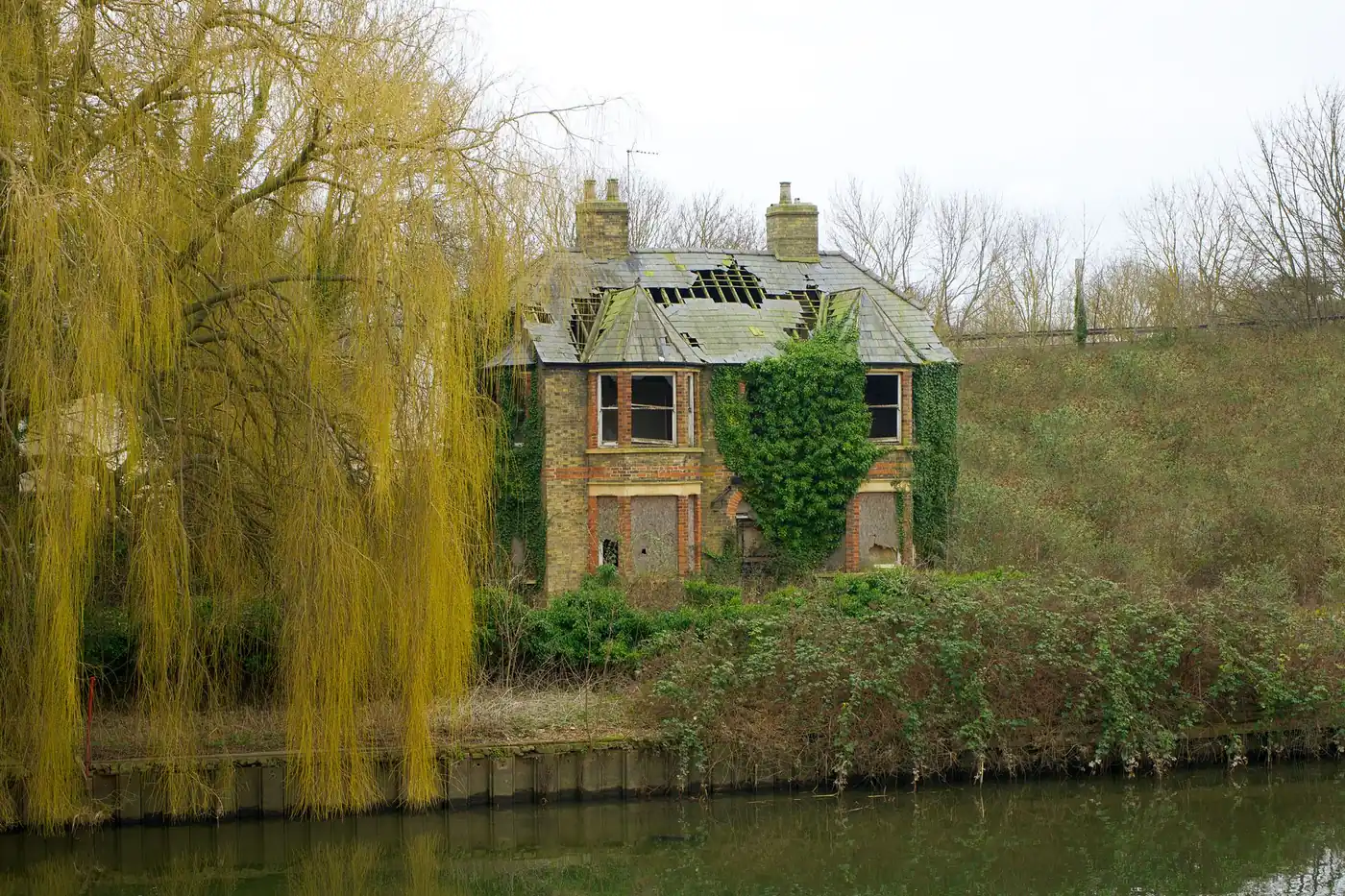
What to do with an empty house: a practical guide for owners
Working out what to do with an empty house usually starts with a list of small jobs and grows into a bigger decision. This guide from Resolute Estate Solutions covers both: the practical checks that protect the property while nobody lives there, and a fair look at your options, from letting and renovating to selling through an agent, at auction or to a direct buyer like us. You can also see the regions of England where we buy.

Why empty homes need attention sooner than you might expect
Homes become empty for all kinds of reasons. A parent moves into care or dies. A tenant leaves and the landlord isn't sure whether to re-let. Someone takes a job at the other end of the country before their old house has sold. A purchase that needs renovating sits waiting for builders. Whatever the reason, an empty home changes quickly.
Without anyone living there, small problems go unnoticed. A slow drip under the sink becomes a ruined floor. A blocked gutter becomes a damp wall. Post piles up behind the door, the garden grows, and the house starts to look empty from the street. That can attract unwanted attention, and it affects your insurance, your council tax and, eventually, what the property is worth.
None of this means you have to rush a decision. It does mean it is worth putting a few basics in place early and then deciding calmly what you want to do with the property in the longer term. The empty property checklist below is where we suggest you begin.
Your empty property checklist for the first few weeks
Work through these in roughly this order. Most can be done in an afternoon or two, and several can be done by phone.
Tell your insurer the home is empty
Do this before anything else. Read the unoccupancy section of the policy and note any conditions, such as regular inspections or draining the water system.
Secure the property
Check every door and window lock, remove valuables and spare keys, and consider timer switches on a couple of lamps. Let a trusted neighbour know how to reach you.
Deal with utilities and meters
Take meter readings, tell the suppliers the home is unoccupied and decide whether to keep the heating on a low setting over the winter.
Redirect the post
Set up a redirection so letters don't build up behind the door, and cancel deliveries and subscriptions.
Tell the council
Let the council know the home is empty and why. Exemptions and exceptions may apply, but only if the council knows the circumstances.
Protect the title from fraud
Sign up to HM Land Registry's free Property Alert and consider a restriction on the title. Both are explained below.
Arrange regular visits
Agree who will check the house, how often and what they should look for. Keep a simple log of each visit.
If the house belonged to someone who has died, our guide to selling a house in probate explains the executor's role alongside these steps.
Empty house insurance and the unoccupancy clause
Empty house insurance is easy to overlook. Standard home insurance is written for homes that people live in. Many policies restrict or change cover once a home has been unoccupied for a set period, and the period, the conditions and the exclusions vary from insurer to insurer. Some reduce cover to a few named risks. Some exclude theft, escape of water or malicious damage unless certain conditions are met.
Typical conditions include regular inspections of the inside and outside, turning off the water at the stopcock and draining the system, keeping the heating at a minimum temperature, and keeping the property locked and secure. If a claim arises and a condition has not been met, the insurer may reduce or refuse it. So read the wording, ask the insurer to confirm in writing what they need and keep a record that you have done it.
If your current insurer won't cover an empty home, specialist unoccupied property insurance is available. It usually costs more than standard cover and tends to come with its own inspection requirements. That extra cost is one of the reasons owners start weighing up whether to keep the property at all.

Keeping an unoccupied house secure and looking lived in
The aim is simple: make the house look cared for and make it hard to get into. Keep the front garden tidy and the hedges cut back. Clear the porch of leaflets. Draw curtains or blinds the way you would if someone lived there, rather than shutting everything. A timer on a lamp or two helps in the evenings.
Check the locks on every external door and ground-floor window, including the back door and any side gate. Remove anything valuable, including items that might tempt someone to break in, such as tools in the shed. If the home is in poor repair or has already been broken into, boarding up may be necessary, but it does signal to everyone that the house is empty, so treat it as a last resort.
Ask a neighbour you trust to keep an eye out and to call you if anything looks wrong. On each visit, walk round the outside first, then check for leaks, damp, pests and signs that someone has been inside. Photograph anything that changes.

Water, heating and utilities in an empty home over winter
Burst pipes cause some of the most expensive damage in empty houses, and the damage often goes unnoticed for weeks. You have two broad choices, and your insurer may decide which one you take.
- Drain down. Turn off the water at the stopcock, open the taps to drain the system and have a heating engineer drain the central heating if needed. This removes most of the risk of a burst pipe.
- Keep the heating on low. Leave the heating on a frost-protection or low setting so the pipes never freeze. This keeps the house drier and warmer, but you will still pay for gas or electricity, and you need to know quickly if the boiler stops.
Either way, take meter readings when the home becomes empty and tell each supplier. Keep the electricity connected if you want timer lights or an alarm to work. Cancel services the house no longer needs, such as broadband and TV subscriptions, and keep a note of account numbers in one place.
Don't forget the smaller jobs: clear the fridge and freezer, empty the bins, and look at the gutters and drains before winter.
Council tax and rates when a house stands empty
The rules depend on where the property is, and they have tightened in recent years.
England
Since 1 April 2024, a council can charge a long-term empty premium once a home has been unoccupied and substantially unfurnished for at least one year. The total bill can reach double the normal council tax after one year, three times after five years and four times after ten years. Councils choose whether to charge it, and at what level. Living in the home or furnishing it for less than six weeks doesn't restart the clock.
From 1 April 2025, there are mandatory exceptions from the premium for up to 12 months while a home is actively marketed for sale or let, while major repairs are carried out and after a grant of probate or letters of administration. Normal council tax is still payable. If the owner has died and the home stays empty, no council tax is payable until probate is granted, and an exemption of up to six months can apply afterwards. Homes left empty because the resident moved into care can also be exempt. See the GOV.UK page on council tax for empty properties and our own page on the empty homes council tax premium.
Check your own council's rate. Most of the time, the council tax on an empty home is about the property, not about you, and a quick call to the council usually clears up what applies.
Protecting an empty house from property fraud
Empty homes are a target for property fraud. GOV.UK says you are more at risk if the property is empty, mortgage-free or rented out, if you live overseas, or if the home is not registered with HM Land Registry. Fraudsters may try to pose as the owner and sell or mortgage the home without the real owner knowing.
Two free or low-cost steps help in England:
- Property Alert. HM Land Registry's free service emails you when there is activity on the register for up to ten properties. It doesn't block changes, but it gives you a chance to act.
- A form LL restriction. This means a conveyancer must verify the owner's identity before the property can be sold or mortgaged. It is free for owners who don't live at the property (form RQ) and for companies (form RQCO); owners who live there pay £40 (form RX1).
The GOV.UK guidance on protecting property from fraud explains both. It is also why any genuine buyer should check who you are. We explain our own process on why we check identity and ownership.
Letting, renovating or selling: deciding on an empty home's future
Once the house is safe, the bigger question is what to do with it. There is no right answer, only the one that fits your time, budget and plans.
Letting it
Letting brings in rent, but it makes you a landlord, with safety checks, repairs and legal duties. In England, changes under the Renters' Rights Act 2025, which took effect on 1 May 2026, mean tenancies are now periodic and a landlord who later wants to sell must rely on a specific ground and give four months' notice. Our guide to selling a house with tenants covers this.
Renovating it
Renovation can add value, particularly to a dated home. It also takes money, time and management, and costs often grow once walls are opened up. In England, a home undergoing major repairs or structural alteration can be excepted from the empty homes premium for up to 12 months.
Selling it on the open market or at auction
An estate agent will usually achieve the most money for a home in reasonable condition, provided you can wait for a buyer and their mortgage. Auctions suit some homes in poor repair and give a firm timetable, but reserves aren't always met and fees apply. Our comparison of estate agents, auctions and direct buyers sets out the trade-offs.
Selling an empty home to a direct buyer like us
Selling an empty home directly is the fourth option. Resolute Estate Solutions Ltd buys property across England. We are the buyer, not an estate agent. Homes in any condition are considered, and you can sell as seen, so you don't need to finish the clearance or the repairs first. There are no fees, and we pay your legal fees.
The trade-off is price. Our offers are below open-market value. We work them out from comparable sales nearby, and we explain the figures in a written offer. If the offer depends on a survey, we tell you first, and we only change it for a new, evidenced finding explained in writing. You can read the detail on how our offers work.
Some owners keep an empty house going for a long time out of loyalty to the person who lived there, and that is understandable. There is no pressure from us to decide. If you would like to understand your options, see selling an empty house to us, or, if the home is in poor condition, selling a derelict or unmortgageable house. When you are ready, you can ask us for a written offer.

Questions owners ask about empty houses
Do I need to tell my insurer if my house is empty?
Yes. Most home insurance policies have conditions for unoccupied homes. Tell your insurer, read the unoccupancy wording and follow any inspection or drain-down requirements.
Should I turn the water off in an empty house?
Usually, yes, unless you keep the heating on a low setting instead. Your insurer's conditions may decide which approach you must take.
Will I pay extra council tax on an empty home?
Possibly. In England, a council can charge a premium after a home has been empty and substantially unfurnished for a year, but exceptions apply, and each council sets its own level.
How can I protect an empty house from fraud?
In England, sign up to HM Land Registry's free Property Alert and consider a form LL restriction on the title.
Do I have to clear the house before selling an empty home to you?
No. You can sell as seen. Tell us what you intend to leave, and we will take it into account in a written offer, which will be below open-market value.
Is it better to let, renovate or sell an empty house?
It depends on your time, budget and plans. Letting brings in rent but comes with legal duties, renovating can add value and selling ends the running costs. An estate agent will usually achieve more than a direct buyer.
Page last reviewed on by the Resolute Estate Solutions team.